Preserving Galveston’s Cultural Heritage for Future Generations

Galveston Island carries a depth of history and culture that few communities can match. Long a vital port and a gateway for immigrants, the island has accumulated layers of architecture, tradition, music, food, and memory that together form a heritage worth treasuring. Yet heritage is fragile. Without deliberate care, the stories, places, and traditions that make Galveston distinctive can fade, lost to the pressures of development, the passage of time, and the simple forgetfulness that comes when one generation fails to pass its knowledge to the next. Our organization believes that preserving this cultural inheritance is not a luxury but a vital part of sustaining a healthy, rooted community.

Why Heritage Matters to a Community

It is fair to ask why a community organization concerned with practical needs like food, housing, and disaster relief would devote attention to cultural heritage. The answer lies in understanding what heritage actually provides. A community’s history and traditions are not mere decoration. They are the source of its identity, its sense of belonging, and its pride. People who understand and value where they come from feel more connected to their community and more invested in its future. Heritage binds neighbors together across generations and gives meaning to the place they share.

For Galveston specifically, this is profoundly true. The island’s character, its distinctive architecture, its multicultural roots, its maritime traditions, and its hard-won resilience in the face of repeated disasters, gives residents a powerful sense of who they are. Preserving that character helps the community remain itself even as it changes and grows. A Galveston that forgets its history would be a poorer place, not only culturally but in the deeper sense of having lost the thread that connects its people to one another and to those who came before.

The Stories Held by Our Elders

Among the most precious and most endangered forms of heritage are the memories and stories carried by older residents. The island’s living history resides in the minds of people who remember earlier decades, who witnessed events now passing out of memory, and who learned traditions directly from those who came before them. When an elder passes away without sharing their knowledge, an irreplaceable piece of the community’s story vanishes forever. This loss happens quietly and constantly, and it accelerates as each generation ages.

For this reason, we place great value on capturing and honoring the recollections of our older neighbors. Simply sitting with an elderly resident and listening to their stories is an act of preservation. Recording these memories, documenting how things used to be, and ensuring that younger generations hear these accounts keeps the island’s history alive. This work also enriches the lives of the elders themselves, who feel valued when their experiences are sought out and respected. Few things affirm a person’s worth more than being asked to share the wisdom of a long life lived in one place.

Protecting Places and Traditions

Heritage lives not only in memory but in tangible places and ongoing practices. Galveston’s historic structures, gathering places, and landmarks tell the story of the island in physical form. While we are not primarily a preservation society, we recognize the importance of caring for the places and customs that give the island its character, and we support community efforts to protect them.

  • Documenting the history and significance of local places and landmarks
  • Supporting traditions, celebrations, and gatherings that bring residents together
  • Encouraging appreciation for the island’s distinctive architectural character
  • Celebrating the diverse cultural roots that shaped the community
  • Connecting newcomers with the history of the place they have chosen to call home

Traditions and celebrations deserve particular attention because they are living heritage, practiced rather than merely remembered. The festivals, customs, and communal gatherings that mark the island’s calendar are not just entertainment. They are the means by which a community renews its shared identity and welcomes each new generation into its story. Supporting these traditions, and helping ensure they continue, keeps heritage vibrant and participatory rather than confining it to museums and history books.

Welcoming Newcomers Into the Story

Galveston, like any living community, continually welcomes new residents. Far from threatening its heritage, this influx of newcomers can strengthen it, provided that new arrivals are invited into the island’s ongoing story rather than left disconnected from it. People who understand the history and character of their new home are more likely to respect it, to invest in it, and to help carry its traditions forward. Conversely, when newcomers remain ignorant of the place they have moved to, they may unintentionally erode the very qualities that drew them there.

Part of our cultural work, therefore, involves helping newer residents learn about and appreciate Galveston’s heritage. By sharing the island’s history, introducing newcomers to its traditions, and helping them feel part of the community, we ensure that the cultural inheritance continues to find new stewards. Heritage that is shared widely and embraced by all residents, longtime and recent alike, is far more secure than heritage guarded by a shrinking few.

Heritage and Resilience

There is a meaningful connection between cultural heritage and the resilience for which Galveston is known. The island’s history is, in large part, a history of survival, of communities rebuilding after catastrophic storms and refusing to abandon the place they love. Knowing this history gives present-day residents strength. When facing the latest challenge, it helps to remember that those who came before faced even greater hardships and endured. The collective memory of past recovery becomes a source of confidence and determination in the present.

In this way, preserving heritage is not merely about honoring the past. It is about equipping the community for the future. A people who remember how their predecessors overcame adversity carry that example forward as a kind of inheritance, a reservoir of resilience drawn from generations of survival. The stories we preserve today may give strength to those who face the storms of tomorrow.

Keeping the Island’s Soul Alive

Ultimately, preserving Galveston’s cultural heritage is about keeping the island’s soul alive. Buildings can be rebuilt and populations can change, but the distinctive spirit of a place, its character, its memory, its traditions, is something far more delicate and far more precious. That spirit lives in the stories passed between generations, in the celebrations that bring neighbors together, in the appreciation residents share for their unique home. Tending to this heritage ensures that Galveston remains not just a location on a map but a community with depth, continuity, and meaning. We consider it a privilege to take part in that work, and we invite every resident, whether their roots here run for generations or only for a season, to help carry the island’s remarkable story into the future.

Strengthening Neighborhoods Through Civic Engagement in Galveston

The strength of any community rests not in its buildings or its institutions but in the connections among its people. A neighborhood where residents know one another, look out for one another, and work together toward common goals is dramatically more resilient, safer, and more pleasant to live in than one where neighbors remain strangers. On Galveston Island, where residents have repeatedly relied on one another through times of crisis, the value of strong, engaged neighborhoods is especially clear. Our organization devotes considerable effort to fostering this kind of civic engagement, because we believe that an engaged community is ultimately one that can solve its own problems.

The Difference Between Living Near and Living Together

It is entirely possible to live in a neighborhood for years and never truly know the people around you. Modern life, with its busy schedules and private routines, often leaves neighbors as little more than faces glimpsed in passing. Yet there is a profound difference between simply living near other people and genuinely living together as a community. The former is a matter of geography. The latter is a matter of relationship, of mutual recognition, shared concern, and willingness to help.

This distinction becomes vividly clear in moments of crisis. When a storm strikes, when a family faces sudden hardship, or when a neighborhood confronts a shared challenge, communities where people know one another respond with remarkable effectiveness. Neighbors check on the vulnerable, share resources, and coordinate their efforts naturally. By contrast, neighborhoods full of strangers struggle, with each household isolated in its own difficulty. Building genuine connection among neighbors before crisis arrives is therefore one of the most practical investments a community can make in its own resilience.

Small Gatherings, Large Effects

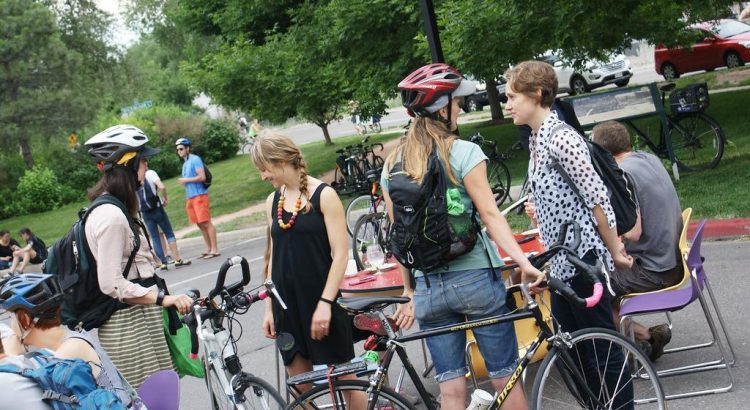
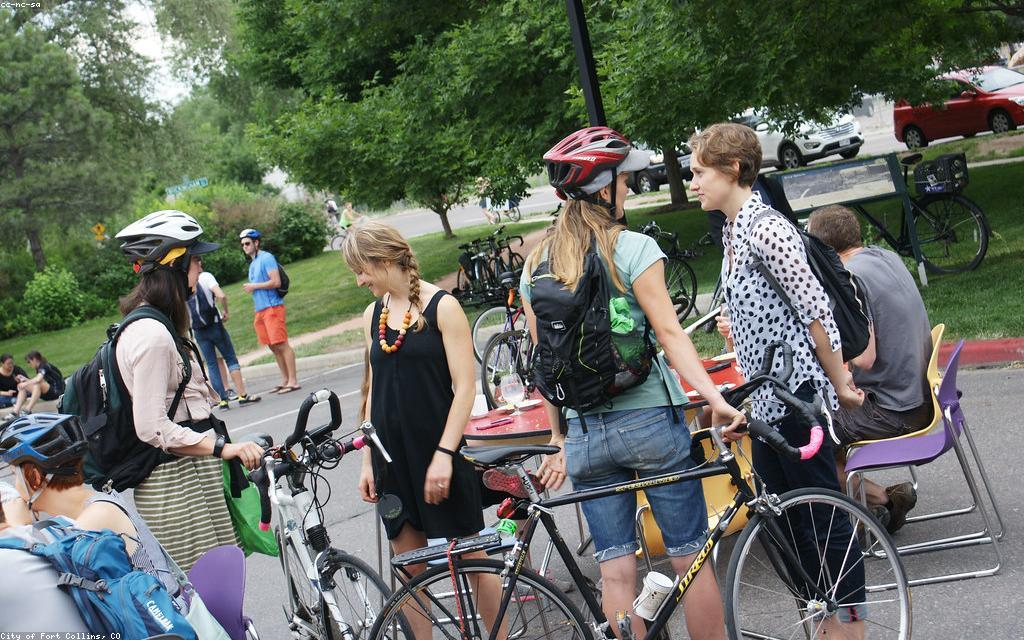
The work of building community does not require grand initiatives. Often it begins with something as simple as creating opportunities for neighbors to meet and interact. A shared meal, a neighborhood cleanup, a gathering to discuss common concerns, these modest events accomplish far more than they might appear to. When people come together, even briefly, they begin to recognize one another, to learn names and faces, and to discover shared interests and concerns. These small threads of connection, woven repeatedly, eventually form the strong fabric of genuine community.

  • Neighborhood gatherings and shared meals that build familiarity
  • Community cleanups and improvement projects that create shared accomplishment
  • Meetings where residents discuss and address common concerns
  • Skill-sharing and mutual assistance among neighbors
  • Networks for checking on vulnerable residents, especially during emergencies

We have found that practical projects with a tangible goal are particularly effective at bringing people together. When neighbors work side by side to clean a park, repair a shared space, or prepare for storm season, they accomplish something visible while simultaneously building relationships. The shared effort creates a sense of common ownership and pride, and the friendships formed in the process endure long after the project is complete. People who have worked together are far more likely to help one another in the future.

Empowering Residents to Lead

A central principle of our approach to civic engagement is that lasting change must come from within a community, not be imposed upon it from outside. The most sustainable improvements are those that residents themselves identify, plan, and carry out. Our role is often less about doing things for neighborhoods and more about empowering residents to do things for themselves. We help people recognize their own capacity to effect change, provide support and resources, and step back so that local leadership can emerge and flourish.

This approach reflects a deep respect for the people we serve. The residents of a neighborhood understand its needs, its strengths, and its character far better than any outside organization ever could. When given encouragement and modest support, ordinary people accomplish extraordinary things in their own communities. We have watched residents who once felt powerless discover that they could organize their neighbors, advocate for their needs, and create real improvements in their surroundings. That discovery of collective capability is transformative, and it produces results far more durable than anything imposed from above.

Giving Voice to Every Resident

Healthy civic engagement requires that all residents have a voice, including those who are too often overlooked. The wealthy and well-connected rarely struggle to make their concerns heard. It is the poor, the elderly, the isolated, and the marginalized whose voices most frequently go unheard, even though their needs may be greatest. A central part of our commitment to civic engagement is ensuring that these residents are included, that their concerns are taken seriously, and that they have genuine opportunities to participate in the decisions that affect their lives.

This inclusive approach strengthens the entire community. When everyone has a stake and a say, solutions tend to be wiser and more durable, because they reflect the full range of a community’s experience and need. Equally important, inclusion affirms the dignity and worth of every resident, reinforcing the conviction that a community belongs to all who live in it, not merely to its most prominent or prosperous members. A neighborhood that listens to everyone is a neighborhood that takes care of everyone.

Resilience Built on Relationships

On a hurricane-prone island, the connection between civic engagement and disaster resilience cannot be overstated. When a storm threatens or strikes, the neighborhoods that fare best are invariably those with strong existing relationships. Neighbors who already know one another check on the elderly resident down the street, share generators and supplies, coordinate evacuations, and support one another through the long process of recovery. These networks of mutual aid cannot be created overnight in the midst of a crisis. They must be built in advance, through the ordinary work of getting to know and care for the people around us.

This is perhaps the most compelling argument for civic engagement. The relationships and habits of cooperation built during calm times become lifesaving assets when disaster strikes. Every neighborhood gathering, every shared project, and every new acquaintance strengthens the community’s capacity to withstand whatever challenges lie ahead. In a very real sense, the friendly conversation across a fence today is part of the safety net that will hold when the next storm arrives.

A Community That Takes Care of Its Own

The ultimate goal of all our civic engagement work is a community that can take care of itself, one in which residents are connected, empowered, and committed to one another’s wellbeing. Such a community does not wait helplessly for outside help in times of need. It draws on its own strength, its own relationships, and its own collective will to address challenges and seize opportunities. It is a place where no one falls through the cracks, because neighbors are watching out for one another, and where the resources and talents of all residents are brought to bear on shared goals.

Building this kind of community is slow, patient work without dramatic milestones. It happens one conversation, one gathering, one shared project at a time. Yet there is no work we believe in more deeply, because a strong, engaged, connected community is the foundation on which everything else depends. We invite every Galveston resident to take part, to meet a neighbor, to join a project, to lend a hand. In doing so, you help weave the bonds that make this island not merely a place to live, but a true community to belong to.